Natural disasters have a way of shaking our communities to their core. Whether it’s flooding, hurricanes, or wildfires, the aftermath leaves lasting scars, not just on the environment but also on the fabric of our neighborhoods. As residents of Mesa, Arizona, we are no strangers to the impact of extreme weather events. Instances of heavy rain can rapidly lead to significant water damage and property loss. In these moments of crisis, community involvement becomes more critical than ever.
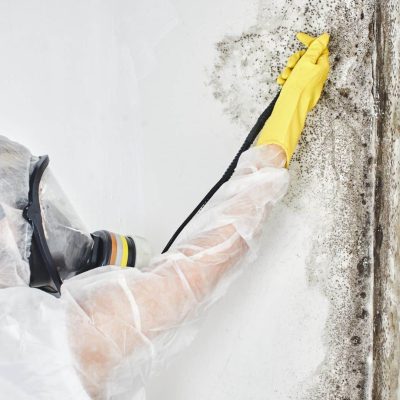
When a major weather event strikes, the immediate reaction often involves assessing damage, securing safety, and seeking professional help for restoration. Companies like Bloque Restoration specialize in water damage restoration in Mesa, AZ, but the role of community members extends beyond personal recovery efforts. Involvement at various levels can not only expedite recovery but also foster resilience and strengthen bonds among residents.
Understanding the Immediate Needs
After a weather disaster, there are countless tasks that need attention. Water damage restoration is one of many services that homeowners might seek out immediately. However, understanding how to help your neighbors can greatly amplify recovery efforts.
Consider the elderly individuals who live alone or families with young children who may struggle to handle cleanup tasks. Offering assistance in the form of manpower or resources can make a world of difference. Additionally, community volunteers can assist local organizations that focus on relief efforts by providing supplies or logistical support.
Mobilizing Resources
In times of crisis, resources are often strained. Local businesses may experience disruptions that affect their operations and ability to serve customers. This presents an opportunity for other community members to step up and mobilize support systems.
One effective approach is organizing supply drives for essential items such as food, clothing, and cleaning supplies. These drives not only gather much-needed resources but also create a sense of unity among residents as they work toward a common goal. Engaging local businesses in these initiatives can further bolster efforts by offering their facilities as https://judahtzzs819.bearsfanteamshop.com/understanding-the-health-risks-associated-with-untreated-water-damage drop-off locations or donating goods directly.

Furthermore, online platforms have made it easier than ever to coordinate these drives. Social media groups dedicated to neighborhood support can provide timely updates on what’s needed most urgently and where residents can contribute.
Building Connections Through Active Participation
Community involvement transcends material aid; it fosters relationships among neighbors who may only interact during casual exchanges otherwise. Organizing community clean-up days after a disaster creates opportunities for people to bond over shared experiences while working together toward recovery.
These gatherings allow individuals from diverse backgrounds to collaborate on restoring their shared environment—cleaning streets littered with debris or helping repair homes affected by flooding. Such actions build trust and camaraderie within neighborhoods that extend well beyond the aftermath of a single storm.
Moreover, engaging with local government officials during these activities ensures that citizen voices are heard regarding future preparedness measures. Residents can advocate for better infrastructure or emergency response protocols while solidifying their roles as proactive members of their communities.
The Importance of Preparedness Education
While responding effectively post-disaster is crucial, education on preparedness cannot be overlooked. Workshops led by local experts offer valuable insights into preventing water damage and mitigating risks associated with severe weather events.
Topics might include understanding drainage systems in your area or learning how to properly secure homes against flooding threats. By equipping residents with knowledge before disasters occur, communities become more resilient overall—the collective understanding leads to improved readiness when major weather events strike again.
Schools play an important role here as well; integrating preparedness education into curricula helps instill awareness in younger generations early on so they grow up conscious of environmental risks and solutions available within their communities.
Encouraging Long-Term Commitment
Once immediate needs are addressed following major weather events, sustaining momentum for community involvement is essential for long-term recovery efforts. Maintaining an active network dedicated to ongoing support allows neighbors not only to respond effectively during crises but also provides avenues for continuous improvement over time.
Creating formal neighborhood associations or volunteer groups focused on disaster response ensures that plans remain in place long after emergencies fade from memory—a proactive stance toward potential future events rather than reactive scrambling when calamity strikes again.
Regular meetings facilitate discussions around best practices learned from previous experiences while allowing room for new ideas about how best to engage fellow residents moving forward—whether through training programs geared toward first aid certification or establishing clear communication channels during emergencies.
The Role of Local Organizations
Many non-profit organizations exist specifically to assist communities affected by disasters—from initial response stages through long-term recovery planning—and partnering with them amplifies impact significantly across affected areas.
Organizations like Bloque Restoration focus specifically on water damage restoration in Mesa AZ; however they often collaborate with broader networks addressing all aspects of disaster recovery processes including mental health support services which become vital during tough times when emotions run high among those impacted by losses sustained during incidents beyond control.
By leveraging expertise offered by such entities alongside grassroots movements fueled by passionate locals eager for change—powerful partnerships emerge capable enough not just restore physical spaces but also heal emotional wounds left behind from traumatic experiences endured together as one cohesive unit united under shared purpose-driven ideals surrounding resilience building amidst adversity faced collectively across our beautiful town nestled beneath sun-kissed skies throughout much year-round!
Conclusion: A Call-to-Action
The aftermath of major weather events serves both as a wake-up call and an opportunity for growth within our communities—a chance not just recover physically from damages incurred but also strengthen social ties binding us together as resilient citizens willing stand shoulder-to-shoulder against whatever challenges lie ahead next time nature tests limits once more!
As we reflect upon lessons learned following calamities faced previously let us remember importance staying engaged proactively rather than reactively setting stage paving way brighter future filled hope optimism brought forth through collaborative efforts made possible via unwavering dedication commitment shown each every individual involved throughout entire process beginning end regardless what comes next!
Community involvement isn’t merely about responding when disaster strikes; it’s about nurturing relationships before adversity hits—building frameworks capable withstand pressures experienced while ensuring everyone feels supported empowered throughout journey towards flourishing vibrant society built resilience strength paired compassion kindness extended neighbor neighbor alike!
Bloque Restoration
1455 E University Dr, Mesa, AZ 85203, United States
+1 480-242-8084
[email protected]
Website: https://bloquerestoration.com